
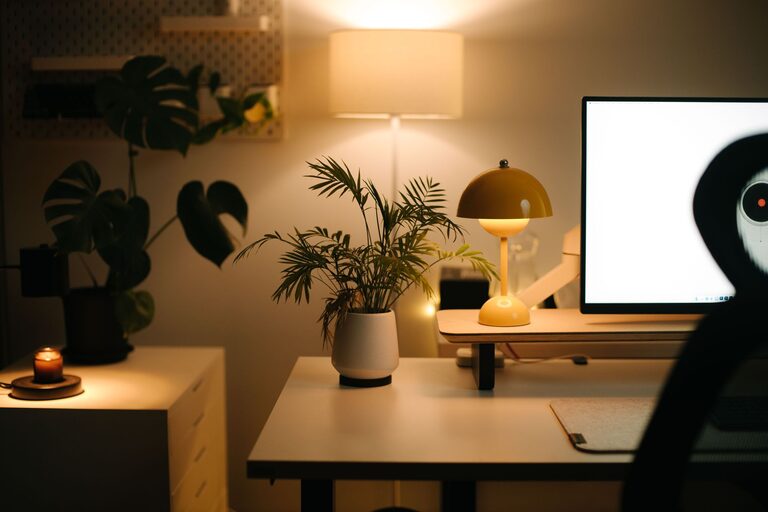
Creating a cozy and inviting home workspace is essential for anyone working or studying from home. A well-designed area can improve focus, reduce stress, and make long hours more comfortable. Whether you have a dedicated room or just a small corner, these tips will help you transform your space into a peaceful and productive environment.
Choose the Right Location
The first step is picking the best spot in your home for your workspace. Ideally, choose a quiet area with minimal distractions and enough natural light. Near a window is perfect because natural light helps improve mood and reduces eye strain.
If you don’t have a separate room, look for a corner in your living room, bedroom, or any area that can be dedicated to work. Even a small nook can become both functional and inviting.
Invest in Comfortable Furniture
Comfort is key when setting up your workspace. Invest in a good quality chair that supports your posture to prevent back pain. Adjustable chairs offer flexibility depending on your desk height and sitting preferences.
Your desk should be spacious enough for your computer, notebooks, and other tools you use. Height matters, so make sure your desk and chair align well to keep your wrists and arms in a neutral position.
Personalize Your Space
A cozy workspace reflects your personality and makes you feel at ease. Add personal touches like photos, plants, or artwork to inspire and motivate you.
Plants and Greenery
Adding indoor plants is a great way to bring life to your workspace. Plants improve air quality and create a calming atmosphere. If you don’t have a green thumb, choose low-maintenance options such as succulents or snake plants.
Decorative Elements
Think about colors and decor that make you happy. Soft textiles like a small throw blanket or cushions can make your chair more comfortable and cozy. Keep things neat to avoid clutter, but don’t hesitate to display a few of your favorite items.
Maximize Lighting
Lighting is crucial for both comfort and productivity. Aim for a combination of natural light and artificial lighting.
Natural Light
Position your desk near a window to take advantage of daylight. However, avoid placing your screen where glare can be a problem. Using sheer curtains can help diffuse harsh sunlight.
Artificial Lighting
Use an adjustable desk lamp with warm or neutral light to brighten up your workspace during evening hours. Avoid harsh fluorescent lights that can cause eye strain and headaches.
Organize Your Workspace
An organized workspace can reduce distractions and help you stay focused.
– Use shelves, drawers, or desk organizers to keep supplies and documents in order.
– Tidy cables and cords with clips or ties to prevent tangling.
– Set up a filing system for papers you frequently need.
– Keep only essential items on your desk to maintain a clean work area.
Incorporate Technology Thoughtfully
Ensure your tech setup supports your work without causing frustration.
– Invest in a reliable internet connection.
– Use wireless keyboards and mice to reduce clutter.
– Consider noise-canceling headphones if you need to concentrate.
– Keep chargers and cables easily accessible, but neatly arranged.
Establish a Routine and Boundaries
Creating a cozy workspace is not just about the physical environment; it’s also about how you use it.
– Set dedicated working hours to separate professional tasks from home life.
– Take regular breaks to stretch and refresh your mind.
– Avoid using your workspace for unrelated tasks to maintain focus.
Add Comfort with Sensory Elements
Small sensory additions can make your workspace even cozier.
Scents
Use essential oil diffusers or scented candles with fragrances like lavender, vanilla, or eucalyptus to create a relaxing atmosphere. Make sure the scent is mild and pleasant.
Sound
Consider playing soft background music or nature sounds if it helps you concentrate. Many find white noise machines or apps useful for blocking distractions.
Keep it Flexible
Your needs might change over time, so keeping your workspace flexible is a good idea.
– Use modular furniture or pieces that can be easily moved.
– Swap out decor to match seasons or your mood.
– Change your seating arrangement or desk position occasionally to refresh the environment.
—
By combining comfort, organization, and personal style, you can design a home workspace that feels both cozy and inviting. Taking the time to create a pleasant work environment will help you stay motivated and productive whether you’re working from home full-time or just occasionally. Happy decorating!