
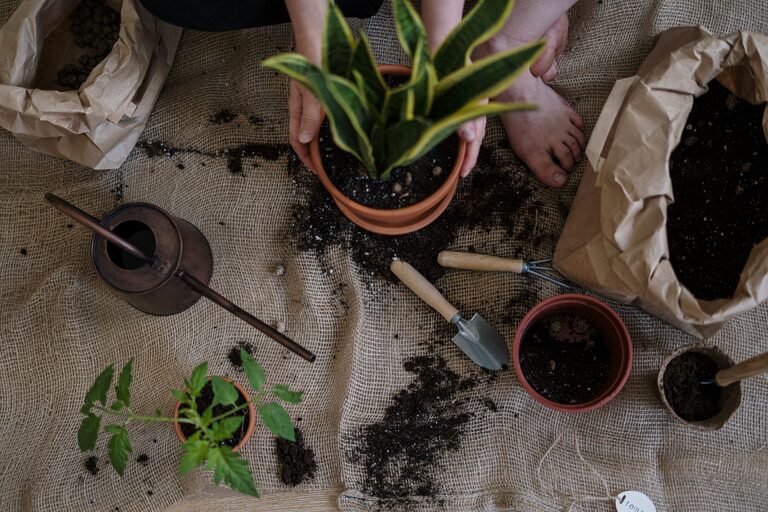
Creating a sustainable home garden is a rewarding way to connect with nature while contributing to a healthier planet. If you’re new to gardening, the idea of sustainability might seem complex, but it’s quite approachable with the right guidance. In this post, we’ll explore practical tips to help beginners start a garden that is eco-friendly, low maintenance, and enjoyable year-round.
What Is a Sustainable Garden?
A sustainable garden is designed to minimize environmental impact by conserving water, reducing waste, supporting local wildlife, and using resources efficiently. It focuses on growing plants in a way that is good for the soil, air, and living creatures around us, often with organic or natural practices.
Why Start a Sustainable Garden as a Beginner?
Starting sustainably means building healthy soil, saving water, and choosing native or adapted plants that thrive with less care. This approach helps prevent common gardening problems and encourages a more resilient, inviting outdoor space.
—
Tips for Starting Your Sustainable Home Garden
1. Plan Your Garden Space Thoughtfully
Before planting, take a good look at your outdoor area. Observe the sunlight, shade, wind conditions, and soil type. Choose a spot that receives plenty of natural light (most vegetables and flowers need at least 6 hours of sun).
2. Choose Native and Drought-Tolerant Plants
Plants naturally suited to your region require less water and resist local pests better. Native plants also provide food and shelter for local pollinators like bees and butterflies.
3. Improve Your Soil Organically
Healthy soil is the backbone of a thriving garden. Use compost made from kitchen scraps or yard waste to enrich your soil. Avoid chemical fertilizers which can harm beneficial microorganisms.
4. Practice Water Conservation
Set up rain barrels to collect rainwater for watering. Water your plants early in the morning or late in the evening to reduce evaporation. Mulch garden beds with straw, leaves, or wood chips to retain moisture.
5. Start Composting at Home
Composting reduces household waste and produces nutrient-rich material for your garden. Even a small compost bin or pile can make a big difference.
6. Use Natural Pest Control
Instead of pesticides, encourage beneficial insects like ladybugs and lacewings that prey on harmful pests. Plant herbs or flowers like marigolds and nasturtiums, which naturally deter unwanted insects.
7. Incorporate Companion Planting
Some plants grow better together. For example, planting basil near tomatoes can improve growth and flavor, while repelling certain pests.
8. Grow Edible Plants
Consider herbs, vegetables, and fruits that suit your climate and space. Fresh homegrown produce cuts down on food miles and packaging waste.
9. Use Recycled and Sustainable Materials
Build garden beds with reclaimed wood, use natural fiber twine, and repurpose containers as planters. Avoid plastics and non-biodegradable materials where possible.
—
Beginner-Friendly Sustainable Garden Ideas
Container Gardening
If space is limited, container gardening is a great sustainable option. Use pots or recycled containers and fill them with organic potting mix and plants suited for containers like lettuce, herbs, or dwarf tomatoes.
Raised Garden Beds
Raised beds can help improve drainage, soil quality, and accessibility. They’re ideal if your ground soil is poor or compacted.
Pollinator Garden
Plant a variety of nectar-rich flowers to attract pollinators. This helps your garden flourish and supports local ecosystems.
—
Maintaining Your Sustainable Garden
– Regularly check soil moisture: Avoid overwatering but keep plants hydrated.
– Rotate crops: Changing plant locations each season prevents soil depletion and reduces pests.
– Prune and clean: Remove dead leaves and plants to keep your garden healthy.
– Keep learning: Join local gardening groups, watch tutorials, or read books on sustainable gardening.
—
Final Thoughts
Starting a sustainable garden may seem daunting, but by taking small, thoughtful steps you can build a beautiful, eco-friendly space even if you’re a complete beginner. With time, your garden will grow into a vibrant, thriving environment that benefits both you and the planet.
Happy gardening!